თუთა და ნემსები | Mulberries and Needles
თუთა და ნემსები
ბავშვობა ფრაგმენტებად მახსოვს. დიდი ბებიის საძინებელი, Nescafe-ს წითელი ქილა, კორპუსის ეზოში მიმოფენილი თუთა და ნემსები, უშნო გრაფიტი, ვირთხები ბუნკერებთან. მახსოვს როგორ განვიცადე ჟვანიას სიკვდილი - თვითონ კაცზე არაფერი ვიცოდი, მაგრამ ზუსტად აღვიქვი ქართული პოლიტიკის ხასიათი. ომის დრო მაკარონის ყუთებით დამამახსოვრდა და ახალ მთავრობას არც მოვსწრებივარ.
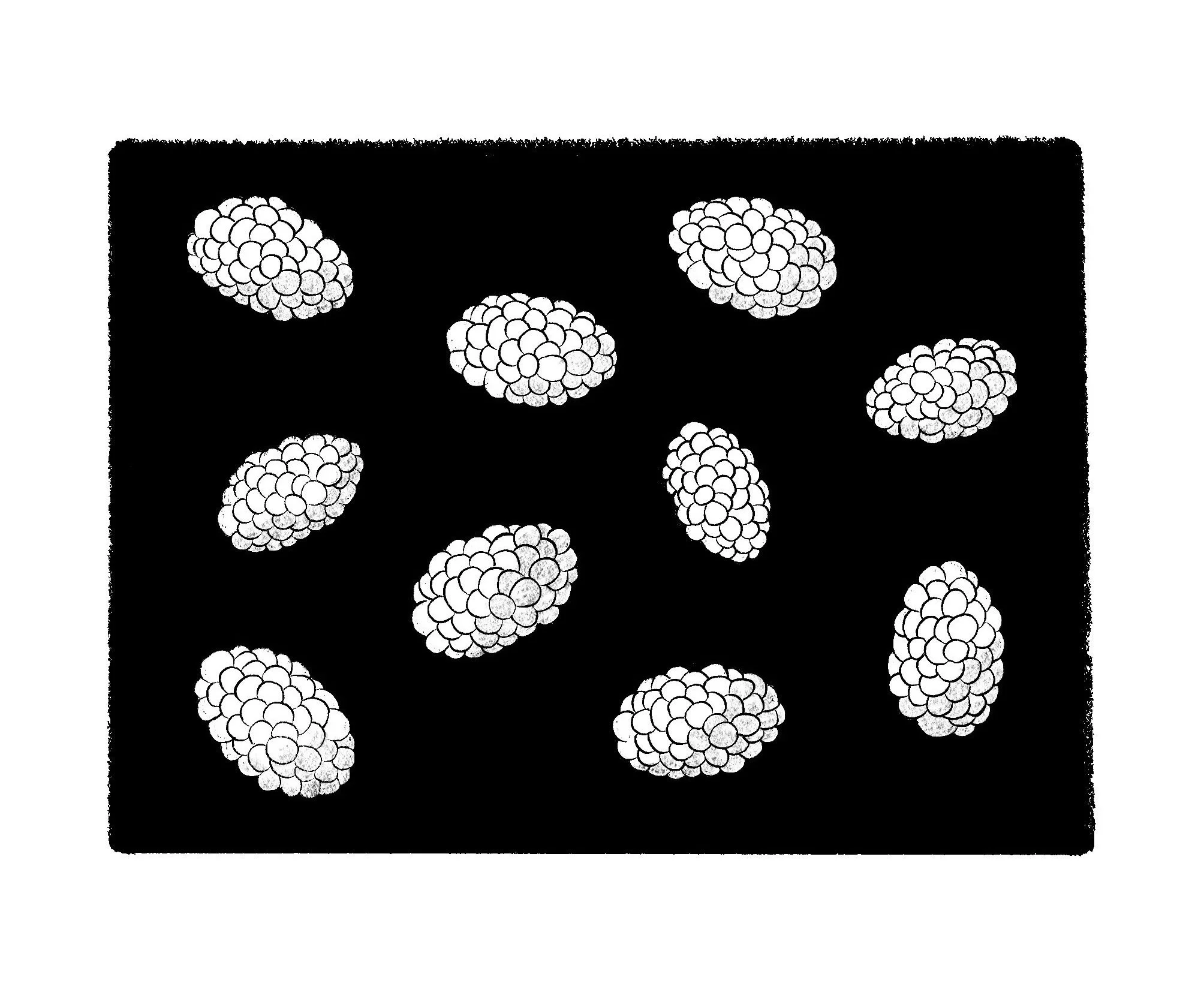
თუთა | Mulberries
არ ვიცი რა მომენტში სწავლობს ქართველი ბავშვი პოლიტიკოსების გვარებს, გონებაში როდის უჯდება ადამიანს მათი სახეები. ჩემთვის ალბათ ცამეტი წლის მერე მოხდებოდა ეგ ყველაფერი, მაგრამ დედას უკვე მოგებული ჰქონდა მწვანე ბარათი და მე ამერიკის მოკლე ისტორიას ვიზეპირებდი. დღესაც, ვიღაცის გვარს, რომ მიხსენებენ, მე უბრალოდ თავს ვუქნევ. მაშინ, 2010-ში, სამშობლო ძალიან მენატრებოდა, მაგრამ ჩემი პოლიტიკა ოჯახში კამათს არ გამცდარა და უკან დაბრუნების სურვილი მეგობრების ნახვაზე იყო მიჯაჭვული. ამერიკულ სკოლაში ახალი, მარტივი სახელი დავირქვი. გვარი ვერ მოვიშორე და კლასელებისგან საოცარი კითხვების მოგერიებაში გავატარე სკოლის ბოლო წლები.
- Teach us how to swear in Georgian! How do you say ‘fuck you!’?
- Me shen miq’varkhar...
- Wow, that sounds really harsh. Do you guys have beds?
- Yeah...
- Are there animals roaming the streets?
- Like dogs?
- No, like lions?
- In the city?! Of course not!
- You have cities?
მერე თბილისის ზოოპარკი დაიტბორა. რაღაც გაიჭიმა ჩემსა და საქართველოს შორის მაგ დღეს, გაიწელა და გაწყდა. მეტკინა. უცებ იქ მინდოდა ყოფნა, ოღონდ სხვანაირად. მეგობრებთან არა, უბრალოდ იქ. ემიგრაციისას ნოსტალგია კი ძლიერია, მაგრამ მე მიმტოვებლის სირცხვილი დამიმეგობრდა. ზოოპარკი დაიტბორა და უცებ მომავალი გამოირიყა ჩემ წინ: ავადმყოფობა, პანაშვიდები, პროტესტები, შიმშილი, სიღარიბე, დაშორებები, დეპრესიები, ყველა ჩხუბი, ყველა მძიმე მომენტი ჩემს ფეხებთან, ქვიშაში მიმოიყარა და მერე ისევ ოკეანემ წაიღო. მოლხენა ქართველებს ჩემს გარეშეც არ გაუჭირდებოდათ, ეგ ვიცოდი; გაჭირვების გამოტოვება აღმოჩნდა მჭრელი.
რაც მე წავედი და ახალი (თან ძველი) პოლიტიკოსები მოვიდნენ, ეს ჭრილობა იმდენჯერ გაიხსნა, რომ ზოგჯერ ქართული ლაპარაკის მოსმენაც კი სპირტივით მხვდება - თან მჭირდება და თან მეწვის. არადა არავის დაუძალებია. ოჯახმა ინგლისური ისწავლა, მეგობრები ნინას მეძახდნენ, მოქალაქეობაც მაჩუქეს დიდი ამბით. ადრე, თუთის და ნემსების დროს მამაჩემი ხშირად მეუბნებოდა, ოღონდ პოლიტიკოსი არ გამოხვიდეო. მე კიდევ ავდექი და ბოსტონში საერთაშორისო ურთიერთობების ფაკულტეტზე ჩავაბარე. პოლიტიკოსობა არც მე მინდოდა, გაზით გაგუდვის შიში უკვე ძვლებში იყო გამჯდარი. უბრალოდ იმ გაჭიმული და გამწყდარი რაღაცის გამთელებას ვცდილობდი. საკუთარი თავის საერთაშორისო პიროვნებად გასაღება მსურდა, მაგრამ ქვეყნების ზოგად გაჭირვებაზე კითხვა არ მეყო და გენდერის კვლევებიც დავამატე. საბაკალავრო ნაშრომი ქართული ნაციონალისტური პოეზიის შესახებ დავწერე; დედის როლზე გავამახვილე ყურადღება. ილიას ლექსების კითხვით და თარგმნით სრულად გადავიხსენი ჭრილობა, ამოვატრიალე კანი. არადა სისხლის მეშინია. მგონი მანდ იყო პირველად რომ ვკითხე ჩემს თავს: ნუცა, რა ძალა გადგას? საქმე უძალობაში იყო.
ბებიაჩემი იტყვის ხოლმე, „სწავლის ძირი მწარე არის, კენწეროში გატკბილდების.“ მე ვუღიმი. სწავლას ვინ ჩივის, ცოდნაა გულისამრევად მწარე.
თუთის და ნემსების დროს, ბახტრიონზე, ჩემი საძინებლის ფანჯრიდან ჩანდა გორა. გორაზე იდგა აგურის სახლი. კარისა და ფანჯრების ადგილები ამოჭრილი და ცარიელი იყო. მიტოვებულს გავდა აგურის სახლი. არადა იქ ოთხკაციანი ოჯახი ცხოვრობდა. სკოლიდან დაბრუნებული ვხედავდი ხოლმე როგორ ადიოდნენ დედა, მამა და ორი ბავშვი მაგ გორაზე. ქარი მახსოვს. უკარო და უფანჯრო აგურის სახლი და ქარი. შტერი ბავშვი არ ვყოფილვარ, მაგრამ ამ ცოდნის სიმწარე წლების მერე დამეწია, უნივერსიტეტში კლასისა და კაპიტალიზმის შესახებ კითხვის დროს. სუფრაზე მოსმენილმა ქალების სადღეგრძელომ დე ბოვუარის კითხვისას გამომიჭირა, ეკლესიაში გაგონილმა ფრაზამ - გეი მეგობართან საუბრისას... გავაცნობიერე, რაც უკვე ვიცოდი და რისი ცოდნაც არ მინდოდა.
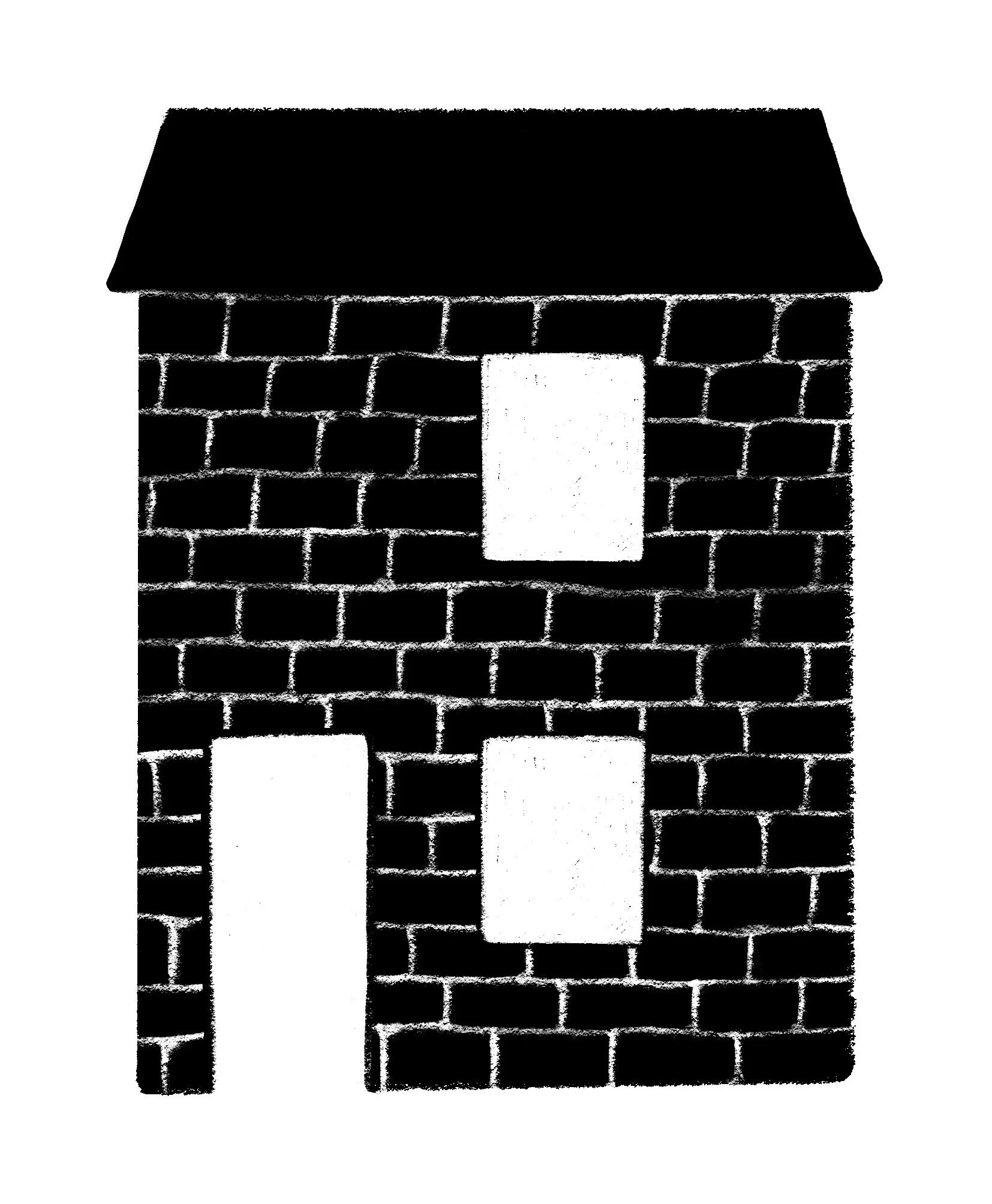
აგურის სახლი | Brick House
იმდენი ვეჯაჯგურე ამ ჩემს მეტოქეს, რომ 2023-ში საქართველომდეც კი ვირბინე. ვიფიქრე, ერთი წელი დავრჩები აქ, იქნებ როგორმე მივიდე იმ კენწერომდე, რამეში გამოვიყენო ეს მწარე ცოდნა. ალბათ გეცინება. რუსული კანონის წინააღმდეგ გამართულ პროტესტებზე მე სიძლიერე არ განმიცდია. არ გამხარებია იქ ყოფნა. რუსთაველზე დგომამ ნაკერიც ვერ დამადო. თერაპევტთან მივედი, ვეწუწუნე.
- აქაც მე ვარ, იქაც მე ვარ... ყველგან ტეხავს. მეტროში გული მერევა.
- რატო?
- აი თბილისში მეტროში რო ჩავდივარ ხალხს ვერ ვუყურებ. ყველას უბედურად ვხედავ. მერე თვალებს ვხუჭავ. მერე ზემოთ ავდივარ, ვტივტივებ, თბილისს ვუყურებ, ვერ ვუყურებ, ცუდად მხდის.
- თბილისი?
- ხალხი... ძაღლები ქუჩაში...
- მერე?
- მერე უფრო ზემოთ ავდივარ, კავკასიას ვუყურებ. საშინელებაა. აზერბაიჯანში მცხოვრები ტრანსგენდერი ადამიანების ინტერვიუები წავიკითხე იმ დღეს...
- ესე უბრალოდ წაიკითხე?
- არა, ვარედაქტირებდი. საშინელებაა. ვიტირე. კავკასიასაც ვერ ვუყურებ და მერე კიდევ ავდივარ და არსად არ მინდა ყურება. ფლინტში წყალი არ აქვთ, ჩინეთში...
- გასაგებია. მერე რას შვები?
- ვეხეთქები უკან მეტროში და მეც იგივენაირი სახე მაქვს როგორიც ყველას.
- როგორი?
- აი რო ტირი მარა არ ტირი. აშკარად რო უნდა ტიროდე, წესით.
ანტიდეპრესანტი მირჩია. ცოტა მიშველა. თან მეტროში მარტო აღარ ჩავსულვარ. მითხრა თუ თავს მოუვლი და იმ ჭრილობას ოდნავ შეიხორცებ, იქნებ ართრიტმაც აღარ შეგაწუხოსო, იქნებ თავის ტკივილმაც დაგანებოსო, იქნებ ენდომეტრიოზიც გაქრესო. რა შემეძლო მეპასუხა? ამ ტექსტს რისთვის ვწერ? რისთვის ვთარგმნი ქართულ სტატიებს სუროგაციაზე და ვარედაქტირებ მასკულინობებზე კრებულებს? რა ძალა მადგას და როდის გამჭყლეტს? რუსეთის ძალა, იმპერიის, კოლონიალიზმის, ქალები რომ ეზიზღება ეგეთი სამყაროსი, მათი სახელები რომ არც ვიცი, ეგეთი პოლიტიკოსების. ყველანი ერთად სხედან თუთის ხეზე, მაყრიან ნემსებს და ხე კიდევ თავზე მაწვება. აი პირველად რომ გამოვფრინდი ამერიკაში, ცამეტი წლისა, მაშინ როგორც მაწვებოდა გრავიტაცია.
პროტესტებზეც ვიარე და პანაშვიდებზეც. წამოვედი საქართველოდან ერთი წლის მერე, ისევ ისეთი უძლური როგორიც მანამდე. ზურგი უფრო მტკიოდა, ხელები ნაკლებად - გააბათილეს ერთმანეთი. აგერ ამ ტექსტსაც ევროპაში ვწერ; დოქტორანტურისთვის ვარ ჩამოსული; ტრანსნაციონალურ ლიტერატურას ვიკვლევ, ემიგრანტების ლიტერატურას, სევდიან ლიტერატურას. ყველა ემიგრანტი სევდიანი კი არ არის, მაგრამ ალბათ მე ჯერ არ მიპოვია მხიარული წიგნი სამშობლოდან გადასახლებაზე. უჩემოდაც იზეიმეს ქართველებმა ფეხბურთის ამბები, უჩემოდაც მიიღეს პარლამენტში კანონი. ზოგი ამბობს, აი ვნახოთ რა იქნებაო, თუ ძალიან დამძიმდა სიტუაცია, წამოვალთო. იმ ოჯახზე მეფიქრება, აგურის სახლში რომ ცხოვრობდნენ. იქნებ გააკეთეს კარი და ფანჯრები და არ უნდათ წამოსვლა. იქნებ ვერ გააკეთეს და ვერც წამოვლენ.
მეშინია ჭრილობამ არ მიმატოვოს. რა მცირე ძალაც მაქვს მაგის გახნას ეთმობა. ერთხელ კი გავაცნობიერე ის რაც არ მინდოდა, რომ მცოდნოდა და თან ყოველთვის ვიცოდი, მაგრამ ჭრილობის გაღიზიანება და მერე სპირტის გადასმა ჩვევად თუ არ დარჩა, დავიწყება ტკბილი ხილია და შემომეჭმევა. თუ აღარ დაიწერა მასკულინობებზე წიგნები და სუროგაციაზე სტატიები, თუ არავის უნდა ჩემი ნათარგმნი ლექსები და ქართველ ქალებზე დაწერილი ჩანახატები, ამოივსება ის ჩემი ჭრილობა, შეიძლება ნაიარევიც კი არ დარჩეს, ჩამოტყდება თუთის ხის ტოტები და ვინღა ვიქნები მე? მარტო თუ მომიხელთეს ცოდნამ და უძალობამ, გამჭყლეტენ. სად ვიპოვო ადგომის ძალა? გავყვები მეც ოკეანეს.
Mulberries and Needles
I remember my childhood in fragments. My great-grandmother’s bedroom, a red can of Nescafé coffee, mulberries and needles scattered in the courtyard, ugly graffiti, rats near garbage cans. I remember how I grieved Zhvania’s death - I knew nothing about the man himself, but accurately understood the character of Georgian politics. I remember wartime through boxes of pasta, and I wasn’t even around for this new government.
I don’t know at what point Georgian children learn the names of politicians, when their faces sediment in a person’s mind. For me, all this would probably have happened at the age of thirteen, but my mother had already won a green card, and I was memorizing the short history of the United States. Even today, when someone’s last name is mentioned, I just nod.
Back then, in 2010, I missed Georgia a lot, but my politics didn’t extend beyond arguing with family, and my desire to return was about seeing friends. I took on a new, simple name. I couldn’t get rid of my last name, though, and spent my final years of American high school fending off midblowing questions from classmates.
- Teach us how to swear in Georgian! How do you say ‘fuck you!’?
- მე შენ მიყვარხარ.
- Wow, that sounds really harsh. Do you guys have beds?
- Yeah...
- Are there animals roaming the streets?
- Like dogs?
- No, like lions?
- In the city?! Of course not!
- You have cities?
Then the Tbilisi Zoo flooded. Something stretched between me and Georgia that day, stretched and broke. It hurt. I wanted to be there, but in a different way. Not with friends, just there. An immigrant’s nostalgia is strong, but I befriended the shame of leaving. The zoo flooded, and suddenly the future shored up before me: illness, funerals, protests, hunger, poverty, separations, depressions, all the fights, all the difficult moments spread at my feet, in the sand; and then the ocean reclaimed them. Georgians would have no difficulty celebrating without me, I knew that; my absence during difficult times is what turned out to be harsh.
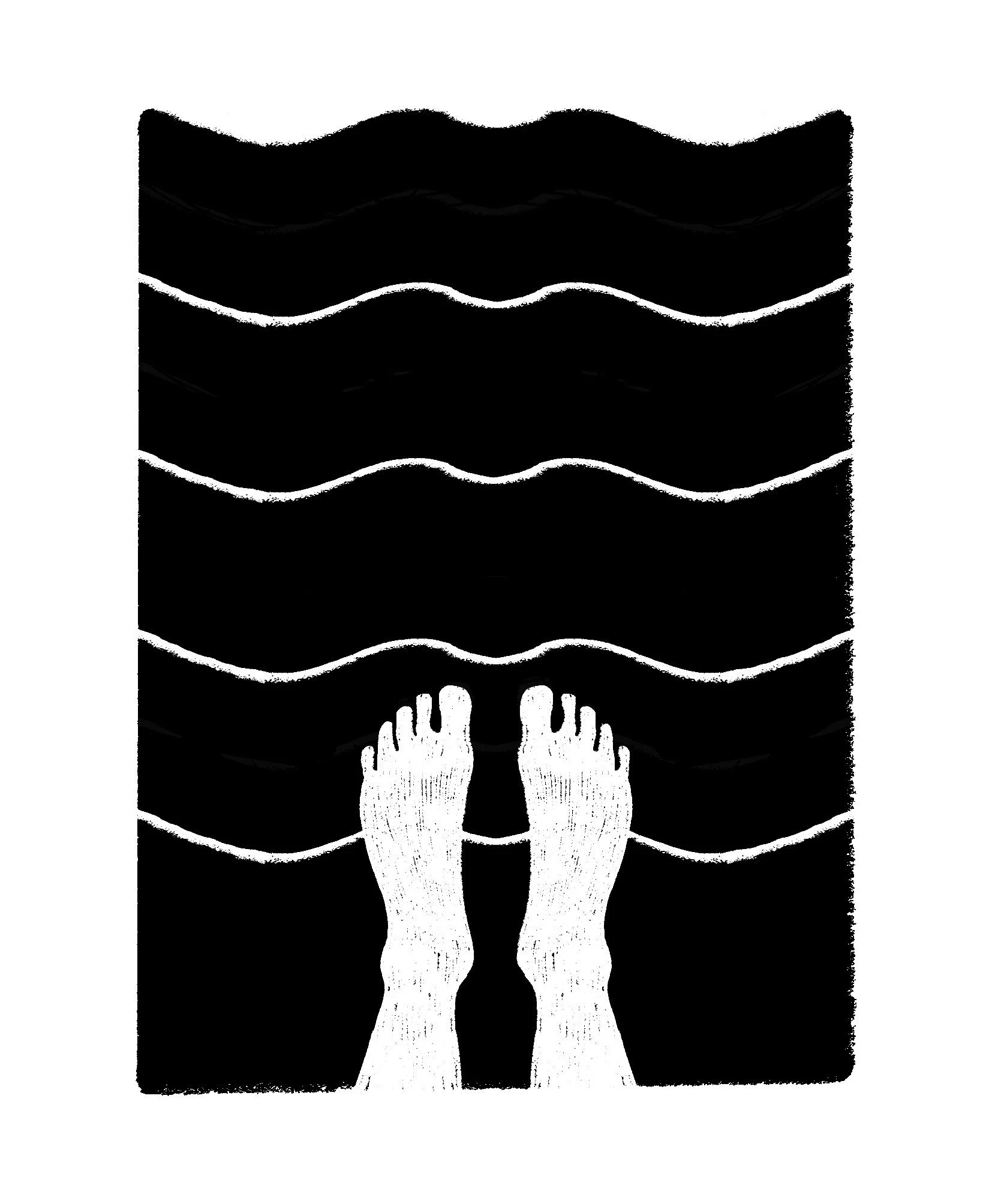
ტალღები | Waves | All illustrations are by Mariam Naneishvili | მარიამ ნანეიშვილის ილუსტრაციები
Since I left and the new (and old) politicians came, this wound has reopened so often that sometimes even hearing Georgian feels like rubbing alcohol - I need it and it burns. No one forced me. My family learned English, friends called me ‘Nina’, and they even gave me citizenship with great fanfare. Before, during the age of mulberries and needles, my father would beg me not to become a politician. So, I majored in International Relations. I didn’t want to be a politician either; the fear of gas poisoning was deep in my bones. I was just trying to smooth out that stretched and torn thing. I wanted to make myself into an international individual, but reading about the general hardship of countries was not enough, and I minored in gender studies. I wrote my undergraduate thesis on Georgian nationalist poetry, focusing on the role of the mother. By reading and translating Ilia’s poems, I fully ripped open the wound, peeled back the skin. Ironically, I’m afraid of blood. I think it was then that I first asked myself: Nutsa, what sort of power is forcing you to do this? Really, it was about powerlessness.
My grandmother says, “The root of learning is bitter, but it sweetens in the branches.” I smile at her. Who’s complaining about learning? Knowledge is what’s nauseatingly bitter.
During the time of needles and mulberries, on Bakhtrioni, you could see a hill from my bedroom window. There was a brick house on that hill. Doors and windows had been cut out, but were empty. It looked abandoned. In truth, a family of four lived there. After school, I would watch how a mother, father, and two children climbed that hill. I remember the wind. A brick house without doors and windows, and the wind. I was not a stupid child, but the sour taste of this knowledge caught up with me years later, when I was reading about class and capitalism at university. The toasts for women I heard around tables grabbed me while reading de Beauvoir; the phrases I heard in church came while I was talking with queer friends... made me realize what I already knew and didn’t want to know.
I fought my opponent so much that I even ran all the way to Georgia in 2023. I thought, I’ll stay here for a year, maybe I’ll somehow get to those branches, use this bitter knowledge for something. You’re probably laughing. I didn’t feel strong at the protests against the Russian ‘Agent’ law. I didn’t feel joy from being there. Standing on Rustaveli Avenue couldn’t even stitch me up halfway. I went to a therapist and complained.
- I’m here, I’m there... It sucks everywhere. I want to vomit in the subway.
- Why?
- You know… When I get on the subway in Tbilisi, I can’t look at the people. I see everyone as unhappy. Then I close my eyes. Then I go up. I float. I look down at Tbilisi. I can’t look. It makes me sick.
- Tbilisi?
- People... Dogs in the streets...
- Then?
- Then I go up higher, look at the Caucasus. It’s terrible. I read interviews with transgender people living in Azerbaijan the other day...
- Did you just read that for no reason?
- No, I was editing. It’s terrible. I cried. I can’t even look at the Caucasus, and then I go up again, and I don’t want to look anywhere. They don’t have water in Flint, in China...
- I understand. Then what do you do?
- I fall back into the subway, and I have the same face as everyone else.
- What face?
- The kind where you’re crying, but you’re not. You should be crying.
She prescribed me antidepressants. They helped a little. I also stopped riding the subway alone. She told me that if I took care of myself and let that wound heal a little, maybe the arthritis wouldn’t bother me anymore, maybe the headaches would go away, maybe the endometriosis would disappear. What could I say? Why am I writing this text? Why am I translating Georgian articles on surrogacy and editing collections on masculinity? What sort of power is this, and when will it crush me? The power of Russia, the empire, colonialism, the world that hates women, the power of politicians whose names I don’t even know. They all sit together on the branches of a mulberry tree, throwing needles at me. And the tree is pressing down on my head. It feels like that first time I flew to the U.S., at thirteen years old, when gravity was weighing me down.
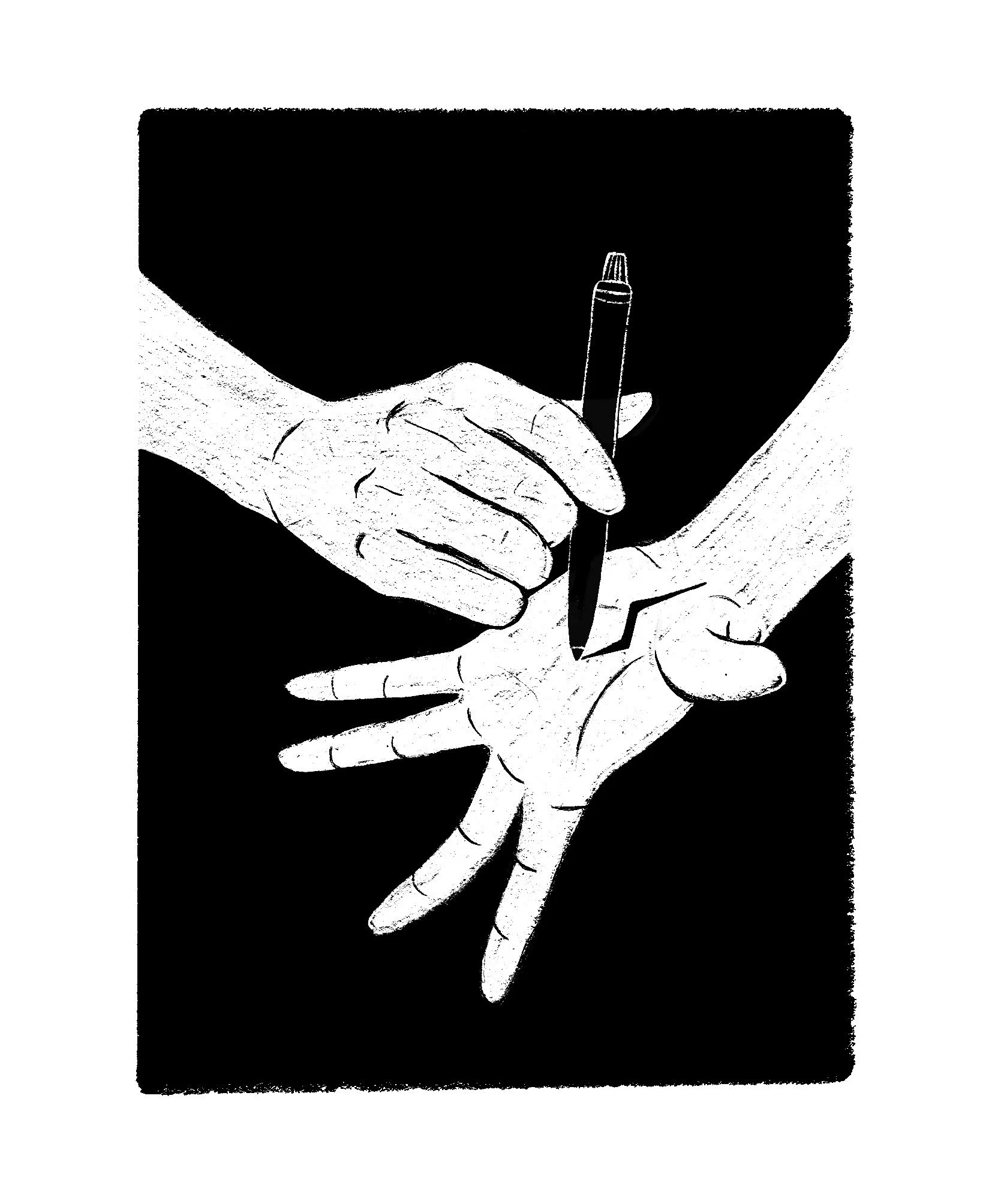
ჭრილობა | Wound
I went to protests and funerals, and left Georgia a year later, still as powerless as before. My back hurt more, my hands less - they canceled each other out. I’m writing this text in Europe. I came for my PhD. I’m researching transnational literature, the literature of migrants, sad literature. Not all immigrants are sad, but I have yet to find a happy book about exile. Georgians celebrated football wins without me, and the parliament passed that law without me, too. Some tell me, “Let’s see what happens; if the situation gets too bad, we’ll leave.” I think about that family living in a brick house. Maybe they have a door and windows now and don’t want to leave. Maybe they couldn’t get them and can’t leave either.
I’m afraid my wound might leave me. Whatever little strength I have is devoted to its reopening. I did realize what I didn’t want to know and always knew, but if irritating the wound and then pouring alcohol on it doesn’t become a habit, oblivion is a sweet fruit, and I will eat it up. If no more books about masculinity and articles about surrogacy are written, if no one wants my translated poems and sketches about Georgian women, my wound may not even scar. The branches of this mulberry tree will break off, and who will I be then? If knowledge and powerlessness get me alone, they will surely stub me out. Where do I find the power to get up again? I will follow the ocean instead.